Introduction
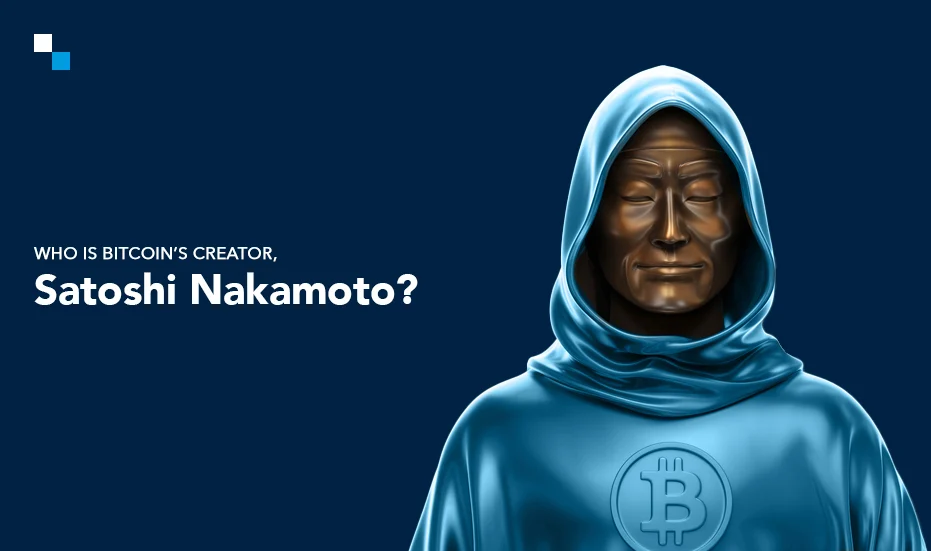
Bitcoin (BTC), created by the mysterious Satoshi Nakamoto, is the world’s first decentralized digital currency. Unlike traditional money, Bitcoin operates without banks or governments, relying instead on blockchain technology and a network of users.
✅ What Bitcoin is and why it matters
✅ How to buy, store, and send Bitcoin safely
✅ Ways to earn Bitcoin (mining, trading, staking)
✅ Security risks and how to avoid scams
✅ The future of Bitcoin in a digital economy
By the end, you’ll know how to confidently work with Bitcoin—just as Satoshi Nakamoto envisioned.
1. Understanding Bitcoin: The Basics
Who is Satoshi Nakamoto?
- An anonymous person (or group) who published the Bitcoin whitepaper in 2008.
- Disappeared in 2011, leaving Bitcoin to grow decentralized and community-driven.
How Bitcoin Works
- No central authority (Unlike banks or PayPal).
- Transactions verified by miners (Using Proof-of-Work).
- Limited supply: Only 21 million BTC will ever exist.
💡 Key Insight: Bitcoin is digital gold—scarce, decentralized, and resistant to inflation.
2. How to Get Bitcoin (Buying & Earning)
Method 1: Buy Bitcoin on Exchanges
Best for beginners:
- Sign up on a trusted exchange (Coinbase, Binance, Kraken).
- Verify identity (KYC process).
- Deposit money (Bank transfer, credit card).
- Buy Bitcoin (Market or limit order).
Method 2: Earn Bitcoin (Without Buying)
- Mining (Advanced): Use powerful computers to validate transactions (~6.25 BTC reward per block).
- Staking (Indirect): Some platforms (like Binance) offer Bitcoin staking rewards.
- Freelancing: Get paid in BTC (Websites like Bitwage, Paxful).
- Faucets & Games: Earn small amounts for free (Not recommended long-term).
Method 3: Peer-to-Peer (P2P) Trading
- Buy Bitcoin directly from others (LocalBitcoins, Paxful).
- No KYC required (More private but riskier).
3. Storing Bitcoin Securely (Wallets Guide)
Best Bitcoin Wallets in 2024
| Wallet Type | Examples | Security Level |
|---|---|---|
| Hardware (Cold Wallet) | Ledger, Trezor | ★★★★★ (Most Secure) |
| Mobile (Hot Wallet) | Trust Wallet, Exodus | ★★★★ (Good for small amounts) |
| Desktop | Electrum, Bitcoin Core | ★★★★ (For advanced users) |
| Paper Wallet | Offline printed keys | ★★★ (Risky if mishandled) |
⚠️ Never leave Bitcoin on exchanges long-term (Risk of hacks).
4. How to Send & Receive Bitcoin
Sending Bitcoin
- Open your wallet app.
- Click “Send” and enter the recipient’s Bitcoin address.
- Enter the amount and confirm the transaction.
- Wait for network confirmation (~10 mins).
Receiving Bitcoin
- Open your wallet and click “Receive.”
- Share your public Bitcoin address (or QR code).
- Wait for sender’s transaction to confirm.
💡 Pro Tip: Always double-check addresses—Bitcoin transactions are irreversible!
5. Making Money with Bitcoin
A. Trading (Short-Term Profits)
- Buy low, sell high on exchanges (e.g., Binance, Bybit).
- Use technical analysis (TA) or follow market trends.
B. Holding (Long-Term Investment)
- “HODL” strategy (Hold through market cycles).
- Bitcoin has historically surged every 4 years (Halving cycles).
C. Bitcoin Mining (Advanced)
- Requires ASIC miners (Expensive hardware).
- Join a mining pool (Like F2Pool, Antpool).
📌 Warning: Mining is competitive and costly—not ideal for beginners.
6. Bitcoin Security: Avoiding Scams & Hacks
Common Bitcoin Scams
- Fake Exchanges: Always verify URLs (e.g., “Binance.com” not “Binance.net”).
- Phishing Emails: Never click suspicious links.
- Ponzi Schemes: Avoid “guaranteed Bitcoin returns.”
How to Stay Safe
✔️ Use hardware wallets for large amounts.
✔️ Enable 2FA (Two-Factor Authentication) on exchanges.
✔️ Never share private keys or recovery phrases.
7. The Future of Bitcoin (2025-2030)
Upcoming Developments
- Bitcoin ETFs (More institutional investment).
- Layer 2 Solutions (Like Lightning Network for faster payments).
- Potential $250K+ price in the next bull run.
Will Bitcoin Replace Money?
- Unlikely soon, but it’s becoming digital gold and an inflation hedge.
Conclusion: How to Master Bitcoin Like Satoshi Intended
Step-by-Step Summary
- Buy Bitcoin from a trusted exchange.
- Store it securely in a hardware wallet.
- Use it for payments, trading, or long-term holding.
- Stay safe by avoiding scams.
🚀 Bitcoin is the future of money—learn it, use it, and own it!
FAQs
1. Can I mine Bitcoin with a laptop?
- No, you need ASIC miners (Laptops are too weak).
2. What’s the smallest amount of Bitcoin I can buy?
- 0.00000001 BTC (1 Satoshi)—the smallest unit.
3. Is Bitcoin legal?
- Yes, in most countries (Check local laws).
4. Can Bitcoin be hacked?
- No, but exchanges and wallets can be—use cold storage.
5. How do I cash out Bitcoin?
- Sell on an exchange (Coinbase, Binance) and withdraw to your bank.
Ready to join the Bitcoin revolution? Start small, learn, and grow your crypto knowledge!
This SEO-optimized guide targets keywords:
- How to use Bitcoin
- Best Bitcoin wallets
- How to buy Bitcoin safely
- Bitcoin mining guide
- Satoshi Nakamoto’s cryptocurrency