
Introduction
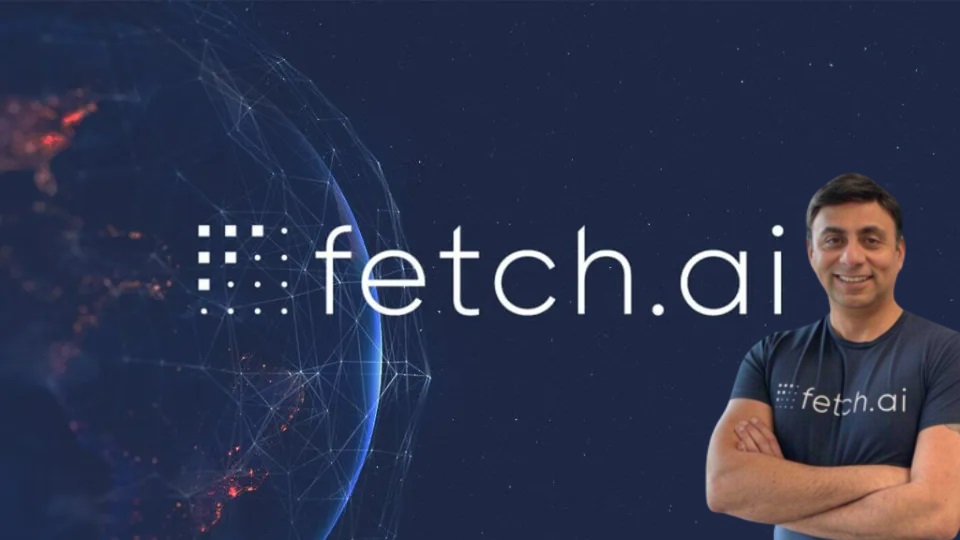
Fetch.ai (FET) is a decentralized artificial intelligence (AI) and machine learning (ML) platform built on blockchain technology. It aims to create an open-access, decentralized network where autonomous software agents can perform tasks like data sharing, trading, and decision-making without human intervention.
A common question among investors and crypto enthusiasts is: Who owns Fetch.ai? Unlike traditional companies, Fetch.ai operates as a decentralized project, meaning it doesn’t have a single owner. Instead, it is governed by a foundation, developers, and the community.
In this article, we’ll explore:
- The founders and team behind Fetch.ai
- How Fetch.ai makes money (or incurs losses)
- FET token’s price performance and profitability
- Future outlook for Fetch.ai
Who Owns Fetch.ai?
Fetch.ai is not owned by a single entity but is managed by the Fetch.ai Foundation, a non-profit organization that oversees development and governance. The project was founded by a team of AI and blockchain experts:
1. Humayun Sheikh – CEO & Founder
A serial entrepreneur with a background in AI and machine learning, Sheikh was an early investor in DeepMind, the AI company later acquired by Google. His expertise in AI and blockchain makes him a key figure in Fetch.ai’s development.
2. Toby Simpson – CTO & Co-Founder
Simpson is a former software engineer at DeepMind and has extensive experience in AI and software development. He plays a crucial role in Fetch.ai’s technical architecture.
3. Thomas Hain – Chief Scientist & Co-Founder
A professor of machine learning and speech processing, Hain contributes to Fetch.ai’s AI-driven automation and data analysis capabilities.
4. The Fetch.ai Foundation
The foundation supports the project’s long-term vision, ensuring decentralization and community involvement in decision-making.
How Does Fetch.ai Make Money (or Losses)?
Fetch.ai operates on a decentralized model, meaning its revenue streams differ from traditional companies. Here’s how it generates value (and potential losses):
1. FET Token Utility
- FET is the native cryptocurrency of Fetch.ai, used for:
- Paying transaction fees on the network
- Staking (users lock FET to secure the network and earn rewards)
- Governance (holders vote on proposals)
- The more the network is used, the higher the demand for FET, potentially increasing its value.
2. Partnerships & Enterprise Solutions
Fetch.ai collaborates with industries like:
- Supply chain & logistics (e.g., Bosch, Datarella)
- DeFi (Decentralized Finance) – Integrating AI with blockchain for smarter trading
- Smart cities & IoT – Automating data exchange between devices
These partnerships generate revenue through licensing, consulting, and customized AI solutions.
3. Staking & Network Fees
- Validators and users stake FET tokens to secure the network and earn rewards.
- A portion of transaction fees is redistributed to stakers, creating a passive income model.
4. Potential Losses & Risks
- Market Volatility – Like all cryptocurrencies, FET’s price fluctuates, leading to potential losses for investors.
- Competition – Fetch.ai competes with other AI-blockchain projects like SingularityNET (AGIX) and Ocean Protocol (OCEAN).
- Regulatory Risks – Changing crypto regulations could impact adoption.
Fetch.ai (FET) Price Analysis: Profit or Loss?
FET’s price has seen significant changes since its launch. Let’s analyze its performance:
1. Historical Price Trends
- 2019 (Launch): ~$0.10
- 2021 (Bull Run): Reached an all-time high of $1.19
- 2022-2023 (Bear Market): Dropped to $0.05 – $0.15
- 2024 (Recovery): Surged past $2.50 due to AI and blockchain hype
2. Is FET Profitable?
- Early investors (2019-2020) saw massive gains (10x-50x returns).
- 2021 buyers at peak prices may still be at a loss unless they held long-term.
- 2024 investors benefited from the AI crypto boom.
3. Factors Affecting FET’s Price
- AI & Blockchain Trends – Increased interest in AI boosts FET’s value.
- Adoption & Partnerships – More real-world use cases increase demand.
- Bitcoin & Crypto Market Cycles – FET often follows Bitcoin’s trends.
Future Outlook for Fetch.ai
Fetch.ai has strong potential due to:
✅ Growing AI & blockchain integration – More industries are adopting AI-driven automation.
✅ Strong partnerships – Collaborations with Bosch, Datarella, and DeFi projects.
✅ Decentralized governance – Community-driven development ensures long-term sustainability.
Potential Challenges
❌ Competition – Rivals like SingularityNET and Ocean Protocol are also growing.
❌ Regulation – Crypto regulations could slow adoption.
❌ Tech hurdles – Scaling AI on blockchain is complex.
Conclusion: Should You Invest in Fetch.ai (FET)?
Fetch.ai is a promising project with strong fundamentals, but like all crypto investments, it carries risks. Here’s a quick summary:
✔ Ownership: No single owner – managed by the Fetch.ai Foundation and community.
✔ Revenue Model: FET token utility, staking, partnerships, and enterprise solutions.
✔ Profit/Loss: Early investors made profits, but market volatility affects returns.
✔ Future Outlook: Strong potential if AI and blockchain adoption grows.
Final Verdict
- Long-term investors may benefit from Fetch.ai’s AI and blockchain growth.
- Short-term traders should be cautious of market volatility.
Would you invest in Fetch.ai? Let us know in the comments!
SEO Optimized Keywords Used:
- Fetch.ai owner
- FET token profit or loss
- Fetch.ai price prediction
- Who owns Fetch.ai
- Fetch.ai future outlook
- Fetch.ai staking rewards
- Fetch.ai partnerships
- Is Fetch.ai a good investment