
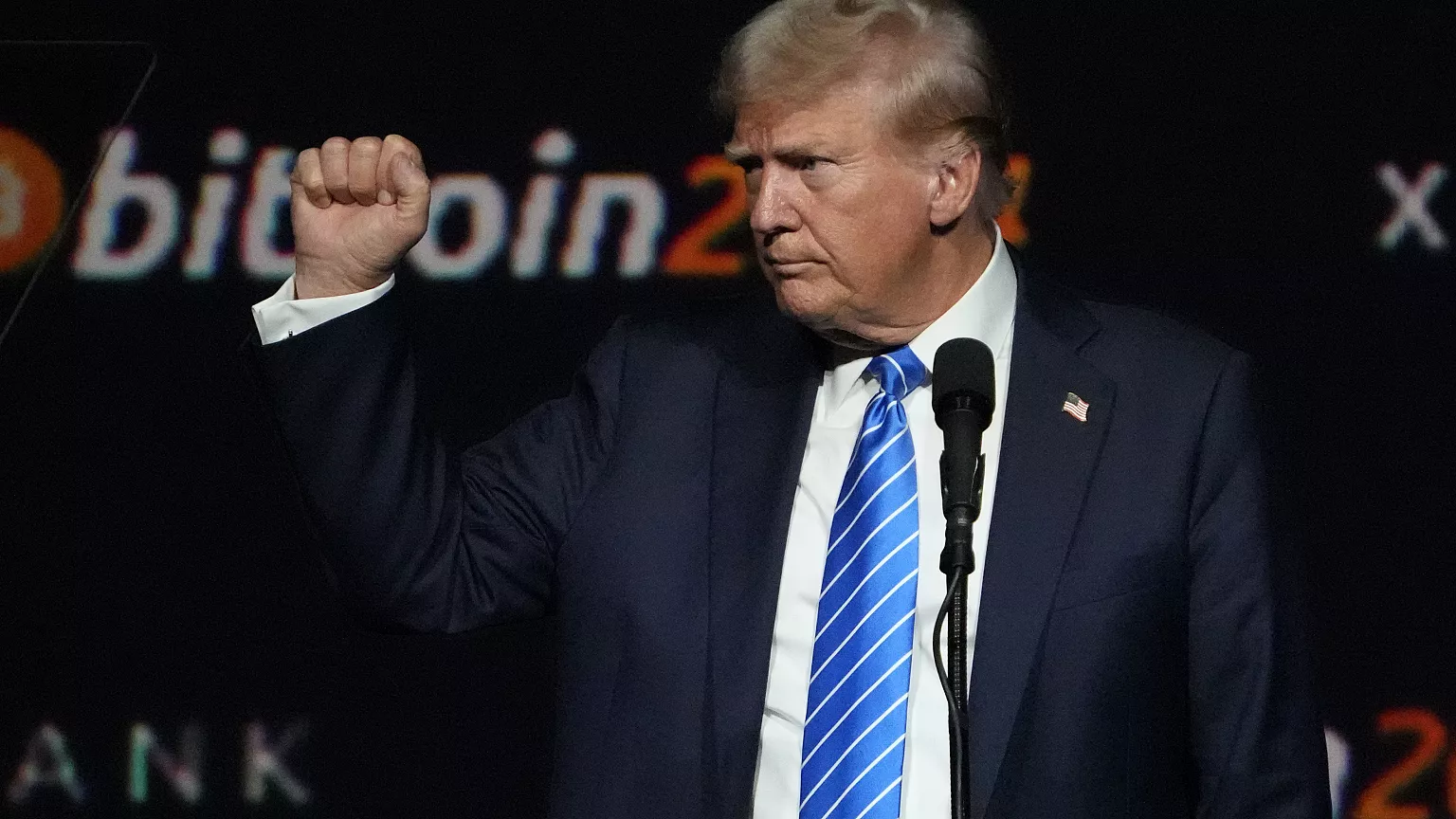
Analysis: The Dangers of Politicizing Cryptocurrency
June 2025 – As the U.S. presidential election heats up, Donald Trump’s aggressive pro-crypto campaign has sparked a global debate: Should digital currencies become a political battleground? While Trump promises to make America “the crypto capital of the world,” the UK has taken a different approach, prioritizing financial stability over partisan crypto hype.
✅ Trump’s crypto campaign strategy and its risks
✅ Why Britain is resisting political pressure on digital assets
✅ The dangers of mixing crypto policy with election politics
✅ How the UK’s regulatory approach differs from the U.S.
✅ What this means for investors and the future of finance
1. Trump’s Crypto Gambit: Election Strategy or Policy Vision?
A. Trump’s Pro-Crypto Shift
- From skeptic to champion: In 2021, Trump called Bitcoin a “scam.” Now, he promises:
- Tax-free crypto profits for long-term holders
- A ban on CBDCs (Central Bank Digital Currencies)
- Pardons for crypto executives (alluding to figures like Sam Bankman-Fried)
- Political motivations?
- Crypto donors pouring millions into his campaign
- Young voters (18-35) overwhelmingly favor crypto innovation
- Anti-establishment appeal – positioning crypto against “elite banks”
B. The Risks of Politicizing Crypto
⚠️ Short-term populism over long-term stability – Will policies last beyond the election?
⚠️ Regulatory whiplash – Sudden shifts could destabilize markets
⚠️ Polarization of digital assets – Crypto becoming a left vs. right issue
2. Britain’s Cautious Approach: Stability Over Hype
A. UK’s Regulatory Framework
- FCA’s strict licensing – Only 15% of crypto firms get approval
- No political rush – Gradual adoption with consumer protections
- CBDC research, but no haste – Unlike Trump’s outright ban stance
B. Why the UK Is Resisting Crypto Populism
✔ Avoiding boom-bust cycles – Lessons from the 2022 crypto crash
✔ Preventing fraud – UK lost £2.3B to crypto scams in 2024
✔ Keeping financial sovereignty – Not letting crypto replace the pound
C. Key Differences: U.S. vs. UK Crypto Politics
| Issue | U.S. (Trump’s Plan) | UK (Current Policy) |
|---|---|---|
| CBDCs | Ban proposed | Research ongoing |
| Taxation | Potential exemptions | Normal capital gains |
| Exchange Rules | Looser for “innovation” | Strict FCA compliance |
| Political Rhetoric | “Crypto freedom” narrative | Neutral, evidence-based |
3. The Dangers of Crypto as a Political Weapon
A. Market Manipulation Risks
- Politicians pumping projects for votes (e.g., meme coins)
- Policy uncertainty = Volatility spikes
B. Eroding Trust in Regulation
- Flip-flopping rules discourage institutional investment
- Partisan divides could fragment global crypto standards
C. The UK’s Middle Path: A Model?
- Balancing innovation & security
- Keeping crypto policy independent of elections
- Focusing on real-world use, not political slogans
4. What’s Next? The Global Crypto Policy Divide
A. Possible Scenarios
- U.S. embraces crypto populism → Short-term boom, long-term instability
- UK/EU stay cautious → Slower growth but sustainable adoption
- Emerging markets go all-in (Nigeria, El Salvador) → High risk, high reward
B. Investor Takeaways
✔ Diversify across jurisdictions
✔ Watch UK’s FCA for stable regulations
✔ Be wary of election-driven crypto pumps
Conclusion: Why Britain’s Skepticism Is Justified
The UK’s resistance to Trump-style crypto politics is wise because:
✅ Financial systems need stability, not election cycles
✅ Consumer protection must come before hype
✅ Global crypto leadership requires credibility, not slogans
The path forward?
- Evidence-based policy over political soundbites
- International cooperation on crypto standards
- Focus on utility, not partisan battles
FAQs: Crypto Politics Explained
Q: Will Trump’s crypto plans actually happen?
A: Unclear – Depends on election results & Congressional support.
Q: Is the UK anti-crypto?
A: No – It’s pro-regulation, not anti-innovation.
Q: Should investors worry about political crypto promises?
A: Yes – Short-term hype often leads to long-term crashes.
Q: Could the UK change its approach?
A: Possibly – But likely to stay gradual and regulated.
Q: What’s the safest crypto market now?
A: UK/EU (regulated) > U.S. (uncertain) > Emerging markets (volatile).